Phrasal Verbs

Set Up Phrasal Verb

Set Up

Set Up Phrasal Verb: From Meetings and Businesses to “I Was Set Up” Set up is a phrasal verb that usually means to prepare, arrange, organize, or create something so it is ready to use. You can set up a meeting, set up a business, set up a tent, or set up an account. In […]

Set Up Read More »

Take Off Phrasal Verb

Take Off

Take Off Phrasal Verb: 5 Meanings, Examples, and Grammar Tips Take off usually means that something leaves, comes away, or moves from its original position. You can take off your shoes, a plane can take off, or a business can suddenly take off and become successful. The meaning depends on the context. 🔊 Listen Take

Take Off Read More »

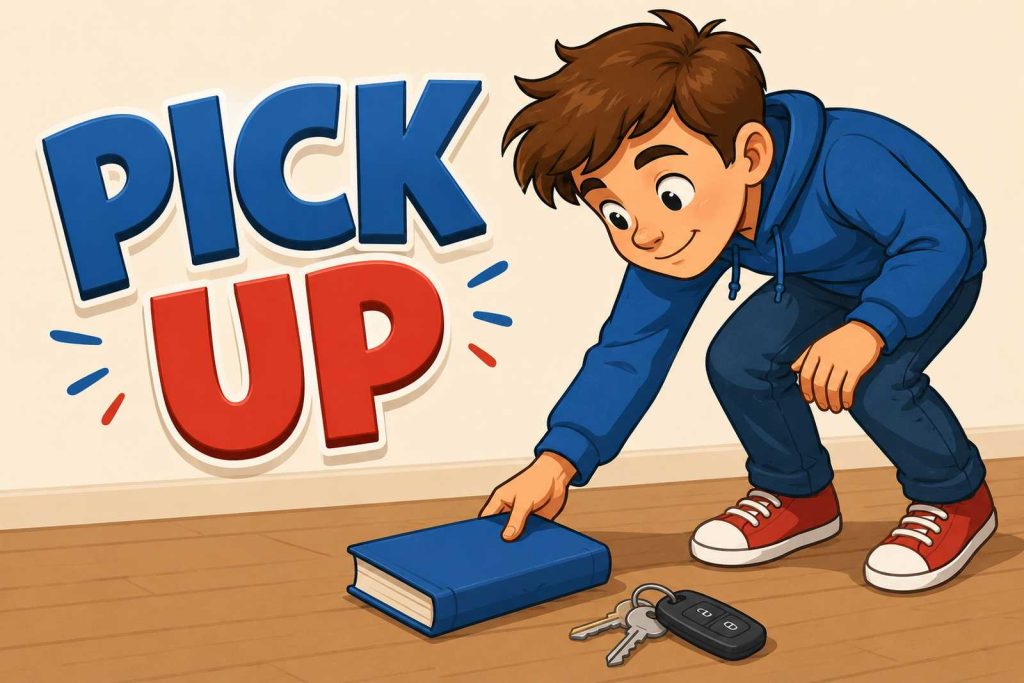
Pick Up Phrasal Verb

Pick Up

Pick Up Phrasal Verb: Why Context Changes Everything Pick up is a phrasal verb with several common meanings: to lift something, collect someone, buy or get something, learn something naturally, catch an illness, or become stronger/improve. The meaning changes with context, so the main task is not just to translate it, but to understand which

Pick Up Read More »

Make Up Phrasal Verb

Make Up

Make Up Phrasal Verb: From Making Up Stories to Making Up After a Fight The make up phrasal verb means to invent something, reconcile after an argument, or form part of a larger whole. With for, make up for means to compensate for a mistake, loss, or missed opportunity. 🔊 Listen What Does “Make Up”

Make Up Read More »

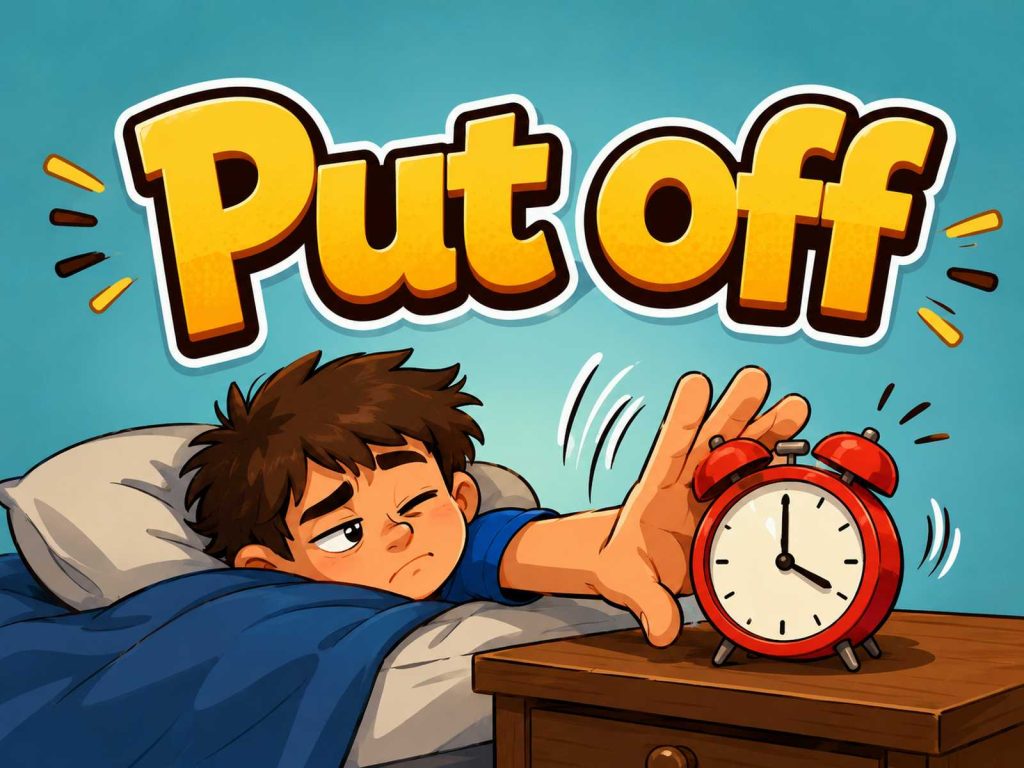
Put Off Meaning

Put Off

Put Off Meaning: The Phrasal Verb That Does More Than Just Delay Put off meaning: to delay something until later, or to make someone lose interest. Learn the grammar, real-life examples, common mistakes, and the difference between put off, postpone, delay, and call off. 🔊 Listen Understanding the Meaning of “Put Off” Meaning 1 –

Put Off Read More »

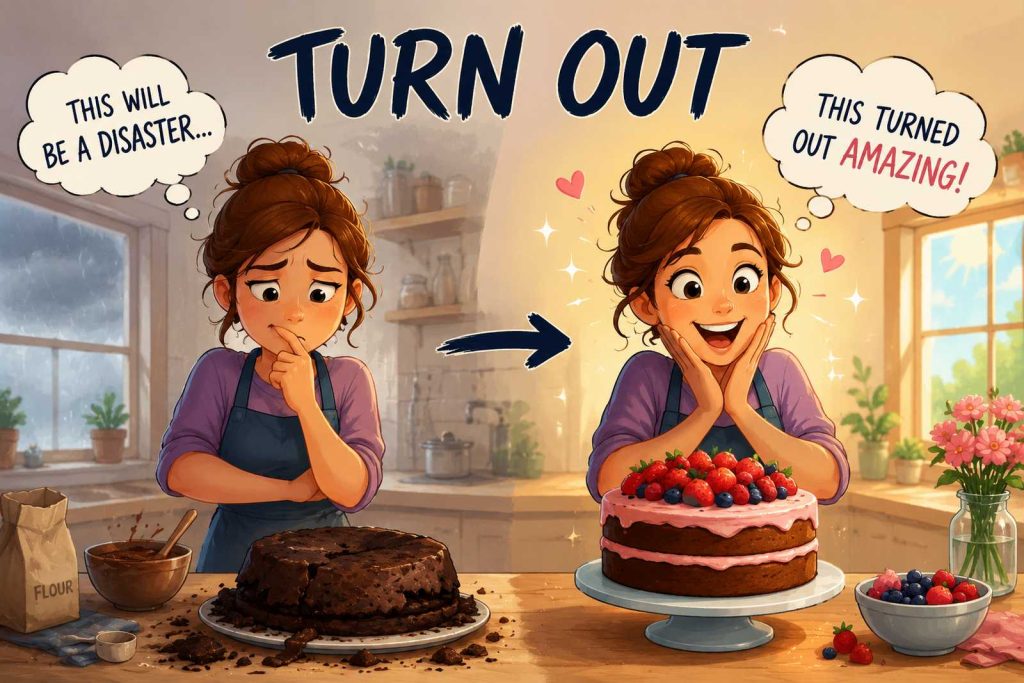
Turn Out Phrasal Verb

Turn Out

Turn Out Phrasal Verb: How to Talk About Surprising Results Turn out meaning: to result in a particular way or to prove to be something after the outcome becomes known. 🔊 Listen What Does the Turn Out Phrasal Verb Really Mean? You planned a dinner party and spent hours worrying it would be a disaster.

Turn Out Read More »

Give Up Meaning

Give Up

Give Up Meaning — The Phrasal Verb You’ll Hear All the Time Stop trying, stop doing, or surrender — “give up” is one of the most common phrasal verbs in everyday English. 🔊 Listen Give Up Meaning — One Simple Phrasal Verb, So Many Uses You’ve been trying to solve a problem for an hour.

Give Up Read More »

Look Up Phrasal Verb

Look Up

Look Up – Phrasal Verb Meaning, Grammar, and Real-Life Examples Look up means to find information in a dictionary, online, or in another source. It can also mean to visit someone, or – when things “are looking up” – to get better. This guide explains the look up meaning (phrasal verb), its grammar, and the

Look Up Read More »

Find Out Meaning

Find Out

Find Out Meaning in English: Common Uses, Examples, and Mistakes To find out means to learn or discover information that you didn’t know before – by asking, reading, hearing, or checking. It is one of the most common phrasal verbs in English, and you will hear it every day. 🔊 Listen Find Out Meaning in

Find Out Read More »

Come Across Meaning

Come Across

Come Across Meaning: One Phrase, Two Very Different Uses You come across something when you find it by chance, without looking for it. The phrasal verb also has a second important use – come across as – which describes the impression a person makes. 🔊 Listen Come Across Meaning: The Simple Explanation You Actually Need

Come Across Read More »